Phase 1
How we work
How we work. Three service lines, one engine.
For the people asked to assess us: how the engine runs inside your systems, what GTM engineering and forward-deployed engineering mean, and how an engagement runs.
Two definitions
The terms, in plain words.
GTM engineering
What is GTM engineering?
Running go-to-market as a system, where clean data, live buying signals and people's judgement combine to reach the right buyer with the right message at the right time. It sits across sales, marketing and revenue operations, and belongs to none of them.
Forward-deployed engineering
What is forward-deployed engineering?
It is how that system gets built inside your business. An engineer works in your team and your tools, alongside the sellers who will use what is built, rather than designing from outside and handing over a document.
A conventional engineer owns one capability across many customers. A forward-deployed engineer owns one customer's outcome across many capabilities.
Three service lines, in detail
We fill it, run it, or build it inside your team.
Lead generation
We fill the pipeline
The lists, the outreach, the events and the meetings: the solutions that turn a mapped market into booked conversations.
Best when you need conversations now, and have nobody to run the motion.
GTM engineering
We run it for you
The data, the signals, the outreach and the follow-up, run as one engine. Your team gets the conversations.
Best when you need pipeline, and your data and outreach are not yet joined up.
Forward-deployed engineering
We build it inside your team
An engineer in your CRM, alongside your sellers, building account briefings, battle cards, competitive intelligence and early warnings on deals.
Best when you already own the tools, and your team is not getting the most from them.
Compared
Outside your business, or inside it.
Where the work happens changes what you get from it.
| Question | A conventional agency | Forward-deployed GTM engineering |
|---|---|---|
| Where the work happens | Outside, in the agency's tools | Inside your CRM, alongside your sellers |
| How it learns | From campaign metrics | From your sellers, who say which signals were worth acting on |
The engine
Your stack at the centre. Forty solutions we bring around it.
At the centre is your stack: your CRM and the tools you already pay for. Around it sit six areas and the forty solutions we bring, and every solution reads from your stack and writes back to it.
Firmographic
Who they are
Industry, headcount, funding rounds, revenue band, geography and subsidiaries.
Technographic
What they use
Tech stack, current vendors, recent migrations, integrations and website infrastructure.
Intent and signals
Why now
Hiring, news, job changes, strategic priorities, recent incidents and expansion markets.
Personal and engagement
How to reach them
Role and seniority, tenure, LinkedIn activity, posts and comments, languages and time zone.
Clay sits at the core, with 20 or more curated partners, each vetted and tested in production. See all forty solutions →
The problem is not effort. It is orchestration.
How an engagement runs
Four phases, from workshop to working engine.
Every engagement starts with a 20-minute call. If we all agree, the 60-minute workshop follows. Timings are set in the statement of work.
Phase 2
Build the engine
Phase 3
Run side by side
Phase 4
Transfer and scale
Questions
What your leadership will ask you.
Do we need all three?
Not usually. Most teams start with one or two, and the workshop shows which pays back first.
Does this replace our team?
No. The engine takes the research and the chasing, and your sellers keep the conversations.
Which CRMs do you work with?
Any of them. We work inside the CRM you already run, with Clay alongside as the data and signal layer.
Start here
Twenty minutes. Then we decide together.
Tell us where you are and what you need, and a Co-Founder listens. If the call goes well and we all agree, we recommend a 60-minute workshop, where we map how your accounts, data and outreach work today and you leave with a written plan.
Length
20 minutes
Where
Zoom or Teams
Who
You and a Co-Founder
Cost
Complimentary
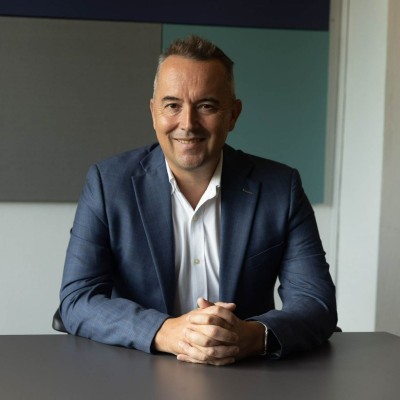
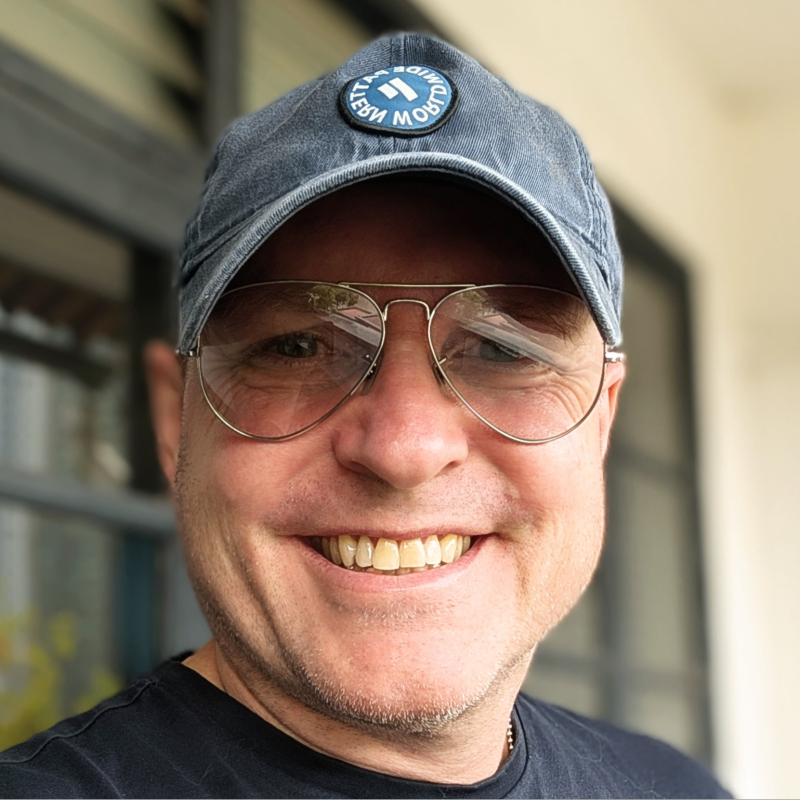
Hosted bySteve DawsonandCharles Tidswell, Co-Founders
If we all agree it fits, the next step is a 60-minute workshop.